Hand Bunny: A Charming Display Font for Creative Projects
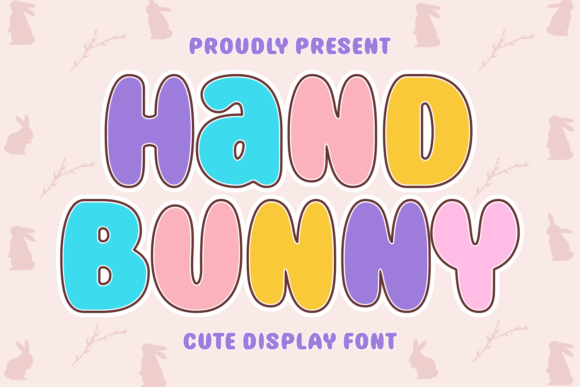
Imagine a typeface that instantly injects warmth, personality, and a touch of playful whimsy into any visual project. That is the essence of Hand Bunny, a cute and charming display font designed to capture attention and evoke a positive emotional response. In a digital landscape saturated with sterile, geometric sans-serifs, a font with such distinct character becomes a powerful tool for designers seeking to create memorable and engaging visual communication.
At its core, Hand Bunny is more than just a collection of letters; it is a creative asset that sets a specific tone. Its hand-drawn, slightly irregular forms convey authenticity, approachability, and creativity. This makes it an excellent choice for projects where human connection and a friendly brand identity are paramount. For graphic designers, understanding how to leverage such a typographic resource is key to building versatile and effective visual systems.
Practical Applications for Visual Impact
The true value of a display font like Hand Bunny lies in its application across various design contexts. Its whimsical nature makes it particularly effective for:
- Branding and Logo Design: Ideal for brands in lifestyle, children's products, artisanal goods, or any service wanting to project a fun, approachable, and creative personality. It can form the logotype or a complementary wordmark.
- Marketing and Social Media Graphics: Commands attention in headlines for social media posts, digital ads, and email campaigns, boosting engagement in crowded feeds.
- Packaging and Editorial Design: Adds a delightful, handcrafted feel to product labels, book covers, magazine pull-quotes, and packaging for gourmet foods or cosmetics.
- Web and UI Design: Use sparingly for hero section headlines, call-to-action buttons, or promotional banners to inject personality without compromising overall readability.
- Presentations and Merchandise: Elevates the visual appeal of slide decks, event invitations, and merchandise like T-shirts or tote bags, making them more distinctive.
Integrating Typography into Your Design Workflow
Successfully incorporating a font like Hand Bunny requires thoughtful consideration within your broader design workflow. Here are key factors to evaluate:
- Readability and Scalability: As a display typeface, Hand Bunny is best suited for larger sizes, such as headlines or subheadings. Always test it at the intended scale to ensure legibility. Pair it with a clean, simple body font for longer text blocks to maintain a strong visual hierarchy.
- Audience and Context: Align the font's playful aesthetic with your target audience's expectations. It resonates powerfully with markets seeking creativity and warmth but may not suit formal corporate or technical contexts.
- Color and Composition: Pair Hand Bunny with a harmonious color palette that complements its charm. Soft pastels, earthy tones, or vibrant pops of color can all work effectively. Ensure the overall composition balances its distinctive character with other design elements like imagery and white space.
- Consistency in Brand Systems: If used for branding, establish clear guidelines for its application—specifying sizes, colors, and contexts—to maintain a consistent and professional brand identity across all touchpoints.
Ultimately, the selection of a creative asset like a font is a fundamental design decision that shapes perception and communication. Thoughtful typography, supported by a cohesive visual system of color, imagery, and layout, is what transforms a good design into a great one. By choosing resources that align with your project's goals and audience, you can significantly enhance both the aesthetic appeal and the communicative power of your work, ensuring your designs not only look beautiful but also connect and resonate effectively.